It’s Post-Season, How do I train now?
Article from Figure Skater Fitness Magazine Vol 3, Issue 02, Spring 2017
By: Tim Silvester
As a fitness trainer, one of the most common questions I hear from young athletes and parents is:
“What should I do after the season is over?”
The answer depends on several important factors, including the athlete’s age, skating level, overall physical health, whether any injuries are present, and their personal goals for the upcoming season.
While there is no one-size-fits-all approach, the off-season should be viewed as an important opportunity for recovery, development, and long-term growth. Skaters, parents, and coaches should work together to create a post-season plan that best supports the individual athlete.
For many skaters, this time should focus on recovering from the demands of the competitive season and addressing any physical or mental challenges that may have developed throughout the year.
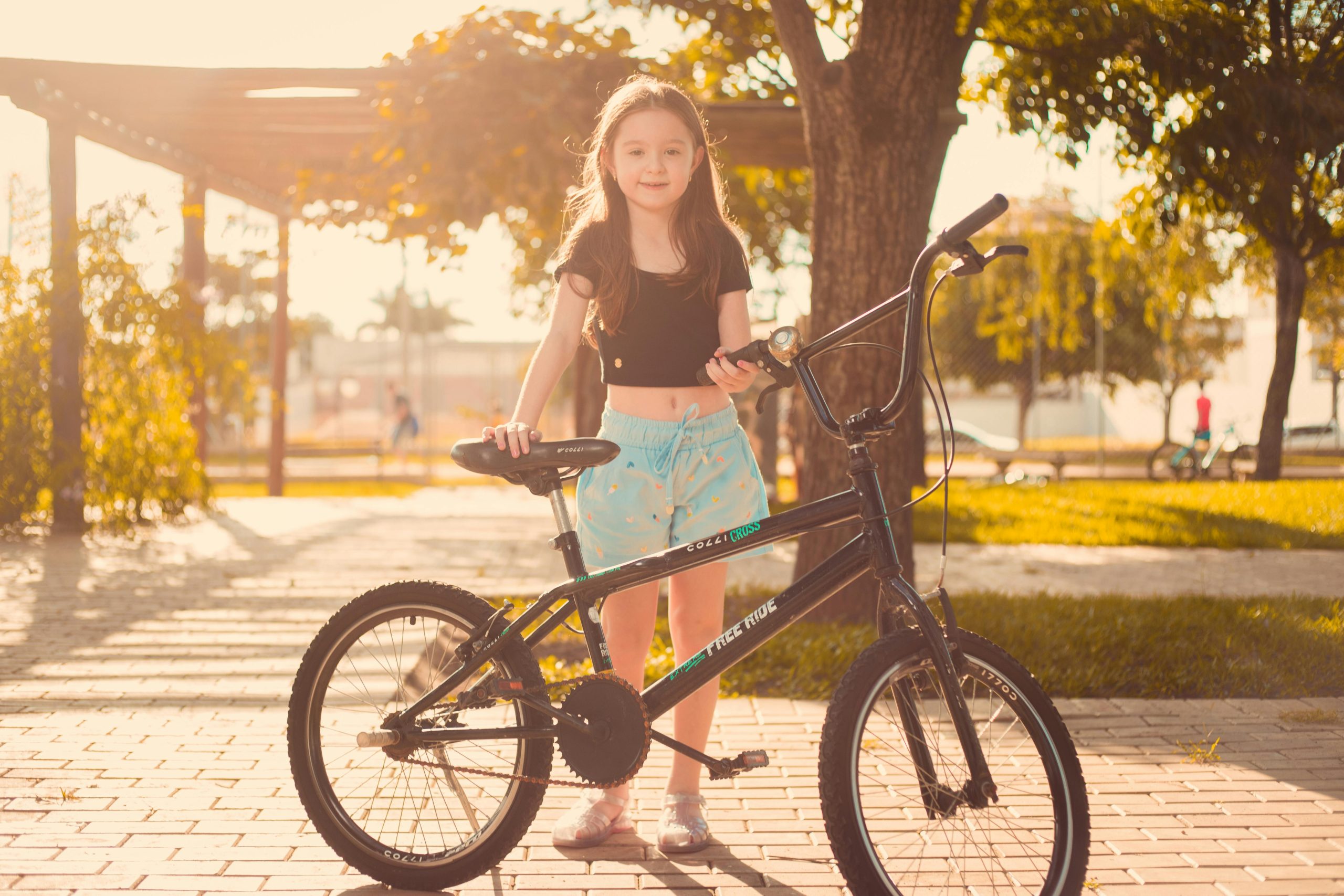
For younger or pre-adolescent athletes, the off-season can simply involve participating in different activities such as swimming, cycling, hiking, or other recreational sports. The goal is to give overworked muscles and joints a break from repetitive skating movements while still keeping the body active and healthy.
Low-impact activities are especially beneficial because they help maintain cardiovascular fitness, coordination, and strength without placing excessive stress on the body. Cycling, for example, transfers well to skating by helping build leg strength and endurance while also providing a fun way to stay active outdoors.
For older or higher-level skaters following a more structured training program, the off-season should be more intentional and individualized. Their training plan should reflect both their physical condition and mental wellbeing at the end of the competitive season.
Many elite athletes benefit from taking one to two weeks of complete rest — often through a holiday or time away from structured training. After that recovery period, focus can gradually shift toward development areas such as:
• Strength and power
• Conditioning and endurance
• Flexibility and mobility
• Mental preparation and confidence
• Skill refinement and choreography planning
Early off-season training should remain lower intensity, with adequate recovery and minimal ice time built into the schedule.
As the new season approaches, training becomes more specific and skating-focused. Athletes typically begin returning to the ice more consistently while conditioning, skating skills, and sport-specific preparation take priority within a coach-led program.
Every athlete is different, and there is no perfect formula for post-season training. The most important thing is creating a balanced plan that supports recovery, development, motivation, and long-term success. When skaters, coaches, and parents work together, athletes are better prepared both physically and mentally for the season ahead.